Loading…
All Case Studies
Quest BDC: Lab Data Automation Pipeline
Client: Quest BDCIndustry: Healthcare & LaboratoryDuration: 5 months
Overview
Urine test result automatic synchronization system based on TCP with universal system to POST data to desired server for laboratory information system.
Quest BDC operates a network of diagnostic laboratories across Bangladesh, processing thousands of urinalysis tests daily using Urit 500 analyzers. Before engaging KumoDevs, their workflow was entirely manual: lab technicians would read results from the Urit 500 display, transcribe them into paper forms, and then a data entry team would type those results into the Laboratory Information System (LIS). This manual chain introduced delays of up to two hours per batch and, more critically, an average of 12 transcription errors per week. In a diagnostic context, even a single error can lead to misdiagnosis, repeat testing, or compromised patient care. Quest needed a reliable, automated bridge between their Urit 500 analyzers and their LIS that would eliminate manual transcription entirely while maintaining full audit traceability. KumoDevs designed and deployed an HL7-compliant TCP-based synchronization system that connects directly to the Urit 500's serial output, parses the HL7-formatted results in real time, and transmits them to any REST-compatible LIS endpoint with guaranteed delivery.
Challenge
Manual data entry errors and delays in syncing urinalysis results with lab systems were causing misdiagnosis risks and operational bottlenecks across 15 lab locations.
Solution
Developed an HL7-compliant automated sync system using TCP protocol to seamlessly transfer Urit 500 urine test results to laboratory information systems with zero manual intervention.
Results
Reduced data entry errors by 95% — from an average of 12 errors per week to less than 1
Decreased result processing time from 2 hours to under 5 minutes per batch
Improved lab efficiency by 60%, freeing 3 full-time equivalents for higher-value work
Key Features
Real-time HL7 message parsing from Urit 500 serial/TCP output with support for ORU, ACK, and ERR message types
Guaranteed delivery with persistent local message queue, exponential backoff retry, and dead-letter notification
Configurable data validation rules including range checks, abnormal flag handling, and required field verification
Universal RESTful POST output compatible with any standards-based LIS, with HMAC-signed payloads for security
Centralized configuration management — add instruments or change endpoints without per-machine intervention
Real-time monitoring dashboard showing sync status, throughput, error rates, and latency per location
Our Approach
KumoDevs began by documenting the complete data flow from the Urit 500 analyzer through to the LIS, including all edge cases: instrument errors, retest scenarios, abnormal flags, and batch processing patterns. We then built a Python-based middleware service that establishes a TCP connection to each Urit 500 instrument, listens for HL7 ORU (Observation Result Unsolicited) messages, parses them into a structured format, validates the data against configurable business rules, and posts the results to the LIS via RESTful endpoints. The system includes a persistent message queue for reliability — if the LIS is temporarily unreachable, messages are queued locally and retried with exponential backoff. Each lab location runs the middleware in a lightweight Docker container, managed centrally through a configuration API that allows Quest's IT team to add new instruments or update LIS endpoints without touching individual machines. We also built a simple monitoring dashboard that shows real-time sync status, error rates, and throughput across all 15 locations.
Process
1
Requirements & Data Mapping
Documented the complete data flow from Urit 500 output through to LIS ingestion, mapped all HL7 segments and fields, and identified every edge case including instrument errors and retest scenarios.
2
Protocol & Architecture Design
Designed the TCP-based listener architecture, HL7 message parsing pipeline, message queue persistence layer, and RESTful output format with HMAC payload signing.
3
Middleware Development
Built the Python middleware service with asynchronous I/O for concurrent instrument connections, configurable parsing rules, and extensible output adapters.
4
Lab Pilot & Validation
Deployed to one lab location for two weeks of parallel-run validation, comparing 100% of synced results against manually entered data before switching to live mode.
5
Rollout & Training
Rolled out to remaining 14 locations in batches of 3-4 per week, with on-site training for lab technicians and remote support for IT teams.
6
Monitoring & Handover
Delivered the monitoring dashboard, operations runbook, and conducted knowledge transfer sessions with Quest's engineering team before transitioning to maintenance mode.
Client Testimonial
“The manual data entry process was our biggest operational risk — we knew it, but we couldn't find an off-the-shelf solution that worked with our Urit 500 instruments. KumoDevs built exactly what we needed, and the impact was immediate. Our lab managers tell us it's the best operational decision we've made this year.”
Technologies Used
PythonHL7 ProtocolTCP/IPREST APIPostgreSQLDocker
Screenshots

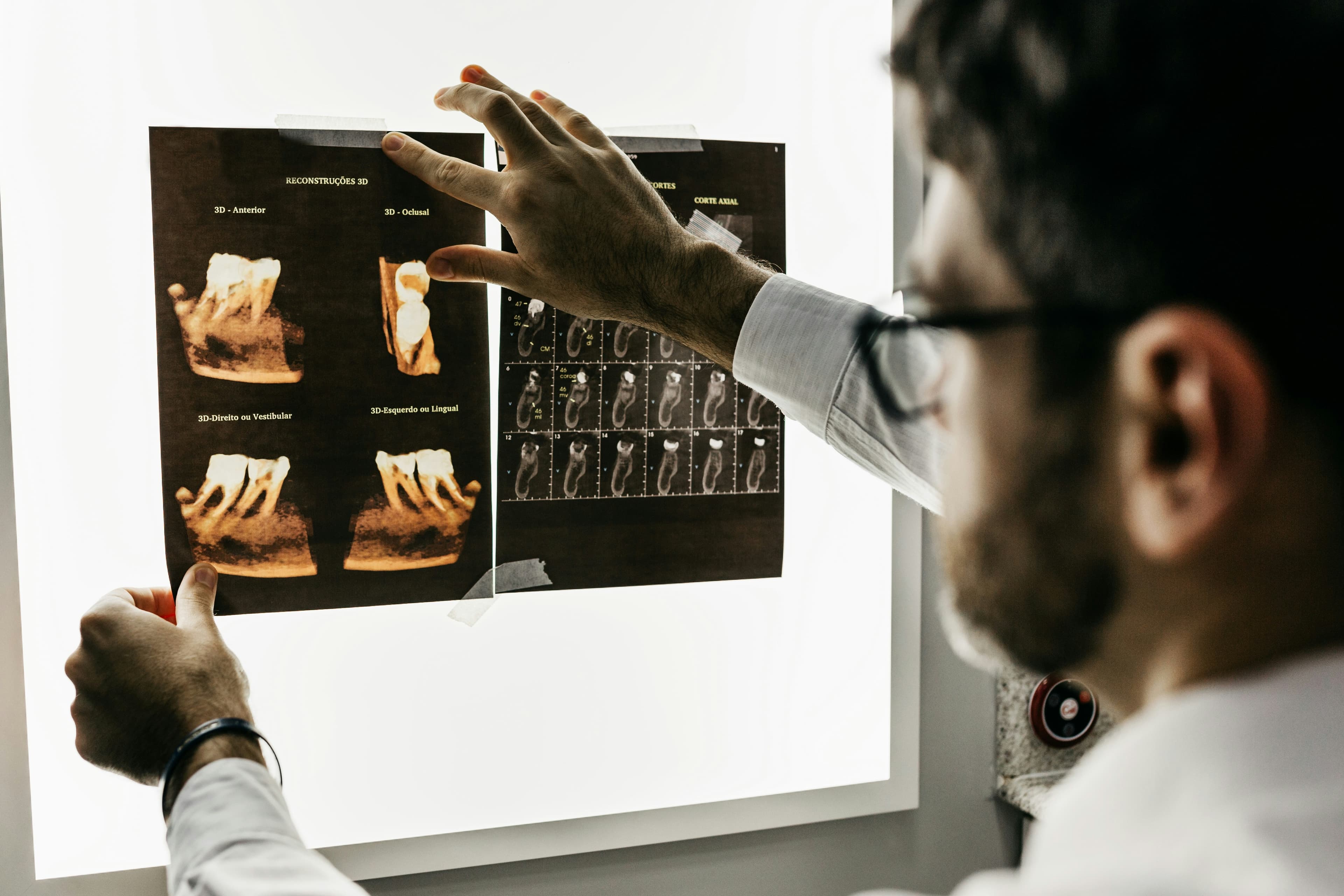
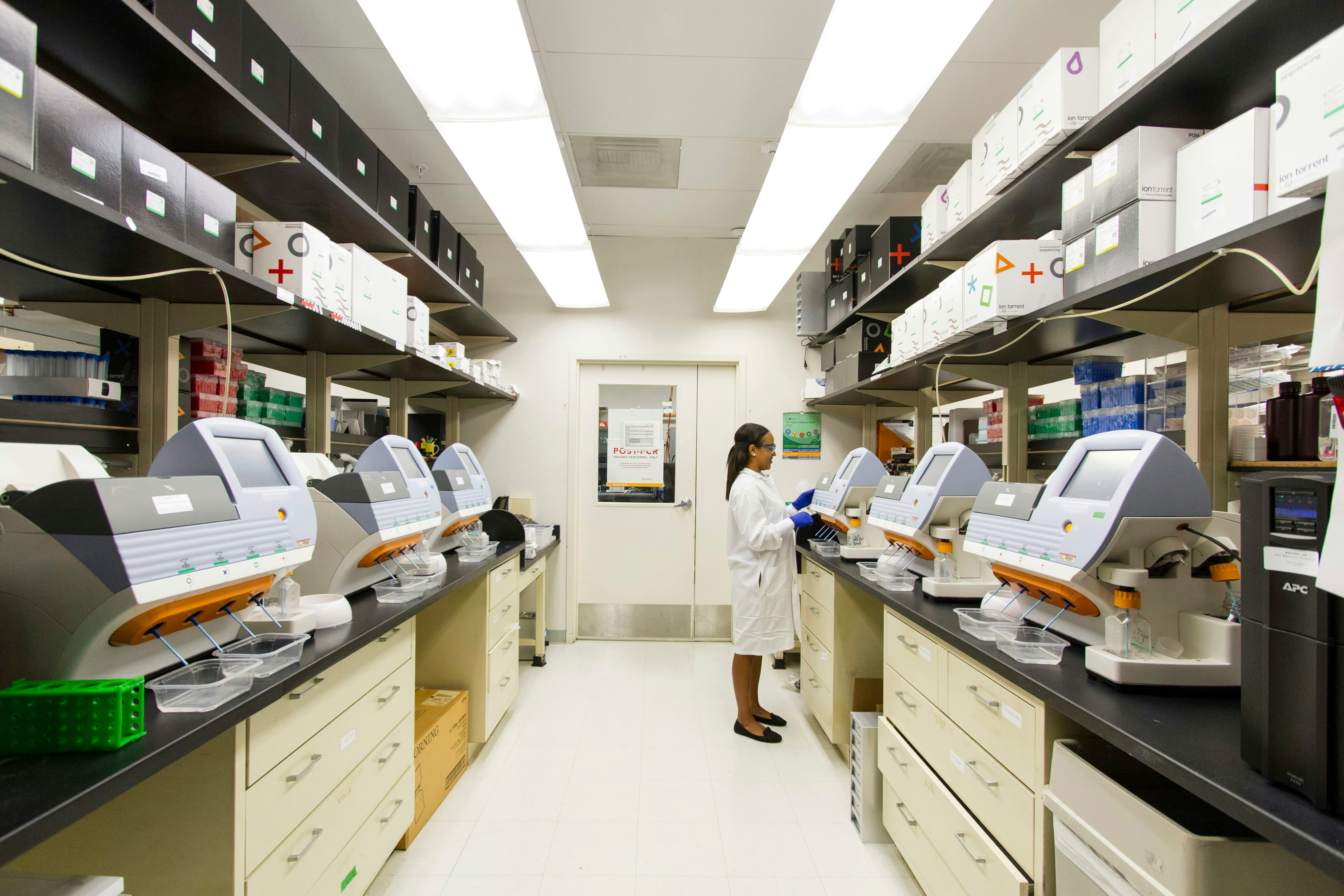
Technical Details
Built a horizontally scalable system capable of handling 1000+ tests per hour, with secure TCP connections featuring automatic reconnection and message queuing, and RESTful POST endpoints with payload validation for universal Laboratory Information System (LIS) compatibility.
Future Plans
Add AI-driven result anomaly detection and predictive flagging, expand compatibility with additional urinalysis device models, and develop a real-time dashboard for lab managers.