Loading…
All Case Studies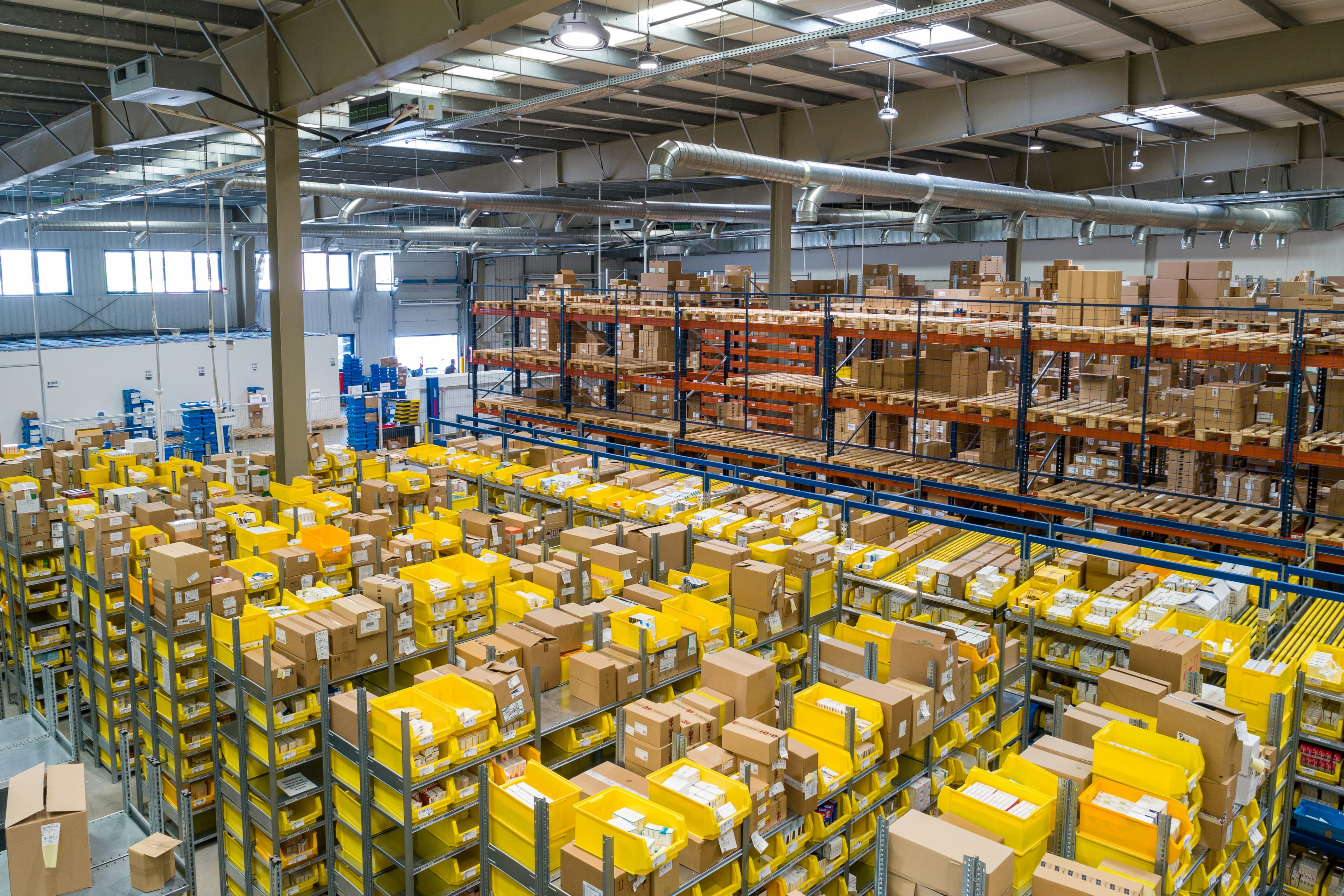
TransGlobal: Supply Chain Automation Platform
Client: TransGlobal LogisticsIndustry: Logistics & Supply ChainDuration: 6 months
Overview
A custom automation platform unifying inventory tracking, order routing, and carrier dispatch across TransGlobal's 12 warehouses.
TransGlobal Logistics operates a network of 12 warehouses across Southeast Asia, fulfilling over 50,000 orders per month for e-commerce companies, manufacturers, and distributors. Before KumoDevs, their operations ran on a patchwork of spreadsheets, emails, and phone calls. Warehouse managers updated inventory in shared Excel files that were emailed at the end of each day. Order routing decisions were made by shift supervisors based on intuition rather than data. Carrier dispatch was handled through individual phone calls to local drivers. The result was chronic delays, frequent mis-shipments, and zero visibility for management. TransGlobal needed a unified automation platform that would bring every step of their supply chain — from inventory receipt to final delivery dispatch — into a single, real-time system.
Challenge
Spreadsheet-driven operations across 12 warehouses caused 8+ hour shipment delays, 15% order routing errors, and zero visibility into cross-warehouse inventory in real time.
Solution
Built an end-to-end automation platform with IoT sensor integration for inventory tracking, intelligent order routing engine, and automated carrier dispatch with real-time ETA updates.
Results
Order processing time reduced from 8 hours to 45 minutes
Routing errors eliminated — 99.8% accuracy on cross-warehouse order fulfillment
Inventory discrepancy reduced from 12% to 0.3% through IoT-enabled real-time tracking
Key Features
IoT-enabled real-time inventory tracking with weight sensors and barcode scanners at every warehouse checkpoint
Intelligent order routing engine optimising for proximity, capacity, cost, and delivery SLA simultaneously
Unified carrier dispatch with automatic failover across FedEx, UPS, and DHL integrations
Real-time operations dashboard with per-warehouse KPIs, order status tracking, and bottleneck alerts
Offline-first architecture — local operation queuing with automatic sync and conflict resolution
Automated customer notifications with branded tracking pages and proactive delay alerts
Our Approach
KumoDevs deployed a four-phase build. Phase one was connectivity: we installed IoT weight sensors and barcode scanners at each warehouse, feeding real-time inventory data into a central event stream via AWS IoT Core. Phase two was the order routing engine: an algorithmic layer that considers inventory proximity, warehouse capacity, carrier cost, and delivery SLA to automatically assign each incoming order to the optimal fulfillment path. Phase three was carrier dispatch automation: a unified API layer that submits shipments to FedEx, UPS, and DHL with automatic failover and returns tracking data. Phase four was the operations dashboard: a React application giving TransGlobal's management real-time visibility into every order, warehouse, and carrier performance metric. Throughout the build, we prioritised offline resilience — warehouses with intermittent internet connectivity could queue operations locally and sync when connectivity was restored.
Process
1
Warehouse Audit & Sensor Deployment
Assessed each of 12 warehouses for existing infrastructure, network reliability, and physical layout; deployed IoT sensors and barcode scanners with edge computing gateways.
2
Event-Driven Architecture Design
Designed the event stream topology using AWS IoT Core and Kinesis, defining event schemas for inventory changes, order status transitions, and carrier events.
3
Order Routing Engine Development
Built the algorithmic routing engine with configurable weight parameters for distance, warehouse capacity, carrier cost, and SLA priority scoring.
4
Carrier API Integration
Integrated FedEx, UPS, and DHL shipment APIs using a unified adapter pattern with automatic failover, rate shopping, and label generation.
5
Dashboard & Monitoring
Developed the React operations dashboard with real-time WebSocket updates, role-based views for warehouse staff and management, and alerting rules.
6
Phased Rollout & Training
Deployed to 3 pilot warehouses for 3 weeks, refined based on operator feedback, then rolled out to remaining 9 warehouses with on-site training at each location.
Client Testimonial
“We knew our operations were inefficient, but we didn't realise how bad it was until we saw the data flowing through the new platform. The automation has transformed every aspect of our business — our warehouse teams love it, our customers notice the faster deliveries, and our management finally has the visibility they need to make informed decisions.”
Technologies Used
Node.jsReactPostgreSQLPythonDockerAWS IoTRedisTerraform
Screenshots


Technical Details
Built on a microservices architecture with Node.js for the orchestration layer, Python for IoT data processing, PostgreSQL for transactional data with read replicas for reporting, Redis for real-time order state management, and AWS IoT Core for sensor data ingestion. Carrier integrations use a unified adapter pattern supporting FedEx, UPS, and DHL APIs with automatic failover.
Future Plans
Add predictive analytics for demand forecasting, integrate with last-mile delivery providers, and implement computer vision for automated package inspection at warehouse checkpoints.