Loading…
All Case Studies
NovaTech AI: Intelligent Customer Support Agent
Client: NovaTech SolutionsIndustry: Technology / SaaSDuration: 3 months
Overview
Built an AI-powered customer support agent that handles 80% of inbound queries automatically, reducing response time from hours to seconds.
NovaTech Solutions, a fast-growing B2B SaaS company providing project management and collaboration tools, was facing a customer support crisis. As their user base grew from 5,000 to 25,000 accounts in under a year, their support team of 12 agents was struggling to keep up. Peak periods saw response times stretch beyond 4 hours, and their customer satisfaction score had fallen from 92% to 78%. NovaTech had tried chatbots before — basic rule-based bots that frustrated users with rigid, keyword-matched responses. They needed something fundamentally different: an intelligent agent that could understand context, reason across their knowledge base, and hold natural conversations. KumoDevs designed and deployed a production-grade AI support agent powered by large language models with retrieval-augmented generation, integrated directly into NovaTech's existing support infrastructure.
Challenge
NovaTech's customer support team was overwhelmed with 3,000+ weekly queries, leading to average response times of 4+ hours and a declining CSAT score that had dropped below 80%.
Solution
Developed a conversational AI agent powered by large language models, integrated with NovaTech's knowledge base and CRM, that autonomously resolves common issues and escalates complex cases to human agents with full conversation context.
Results
80% of queries resolved without human intervention
Average response time reduced from 4 hours to 30 seconds
CSAT score improved from 78% to 94% within 2 months of deployment
Key Features
Hybrid retrieval (vector + keyword search) against the knowledge base for accurate context gathering
Confidence-based escalation with configurable thresholds and sentiment-triggered handoff
Seamless Zendesk integration — agent creates or updates tickets with full conversation summary on escalation
Multi-turn conversation management with context-aware follow-up handling and session persistence
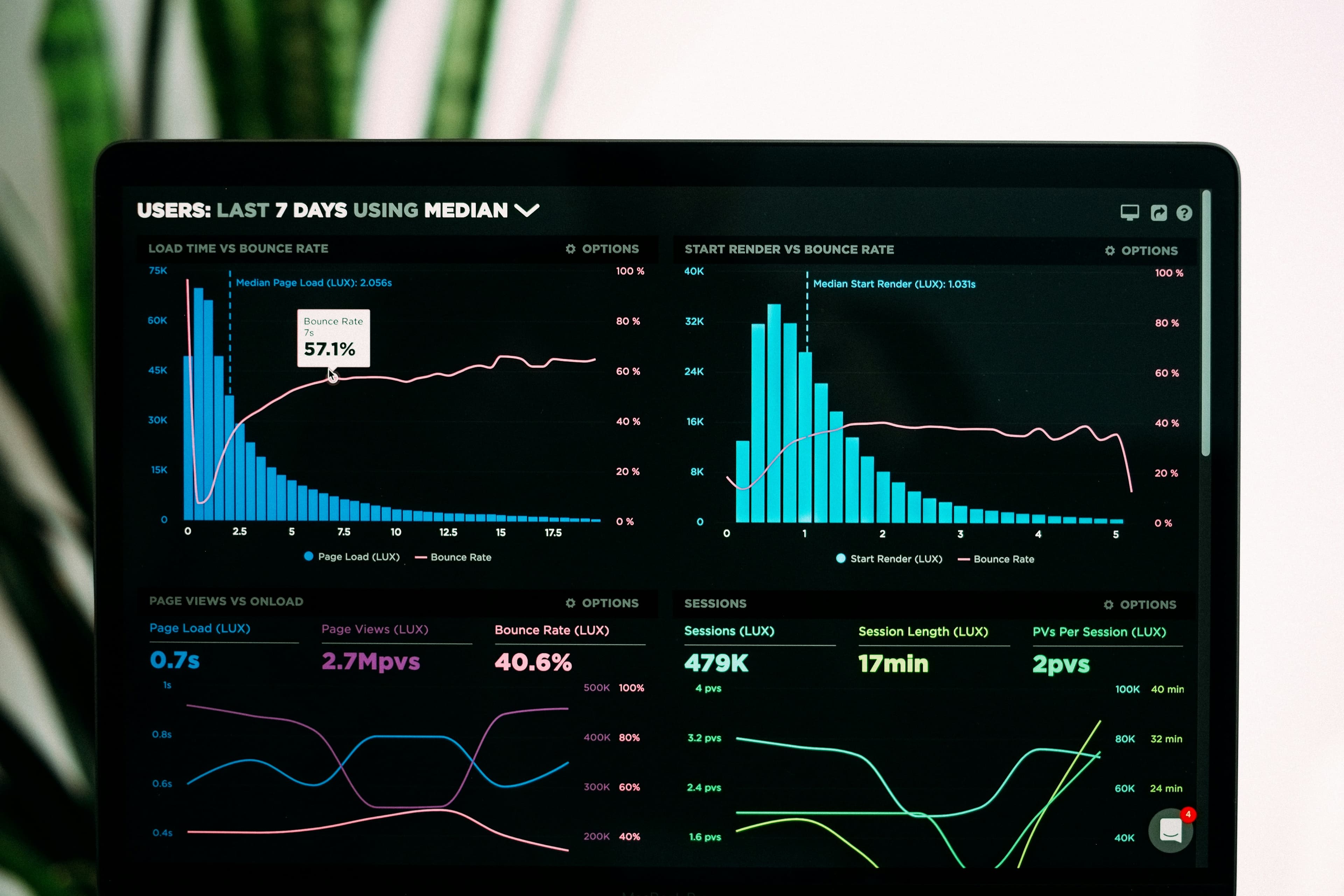
Admin dashboard with conversation logs, resolution analytics, and model performance monitoring
Feedback loop — resolved and escalated conversations are logged for continuous fine-tuning and knowledge base gap analysis
Our Approach
KumoDevs began with a two-week discovery phase, analysing 6 months of historical support tickets to categorise query types, identify resolution patterns, and map the knowledge base structure. We then built a custom RAG pipeline: every support article was chunked, embedded, and stored in a vector database. When a user message arrives, the system performs hybrid search (vector similarity + keyword BM25) against the knowledge base, retrieves the most relevant chunks, and constructs a context-aware prompt for the LLM. The agent outputs structured responses with citations. We implemented confidence scoring — if the agent's confidence in its answer falls below a configurable threshold (we settled on 0.85), the conversation is automatically escalated to a human agent with the full transcript and suggested resolution. The system was deployed incrementally: first as a human-assisted co-pilot (agents saw AI-suggested responses), then as a fully autonomous tier-1 agent with human oversight, and finally as the primary first-response system.
Process
1
Discovery & Data Analysis
Analysed 6 months of support tickets, categorised 40+ query types, mapped resolution patterns, and conducted stakeholder interviews with support team leads.
2
RAG Pipeline Development
Built the document ingestion pipeline: chunking strategies, embedding model selection, vector database setup, and hybrid search implementation with re-ranking.
3
Agent Prompt Engineering
Iteratively designed system prompts, few-shot examples, and response formatting templates through 200+ test scenarios covering edge cases and known failure modes.
4
Integration & Middleware
Built FastAPI middleware connecting the AI agent to Zendesk's API for ticket creation, user context retrieval, and conversation history access.
5
Pilot & Calibration
Deployed as a co-pilot to 3 support agents for 2 weeks, collected 500+ feedback ratings, and tuned confidence thresholds and retrieval parameters based on real-world performance.
6
Production Rollout
Gradually increased autonomous handling from 30% to 80% of tier-1 queries over 4 weeks, with daily monitoring and immediate rollback capability.
Client Testimonial
“Our support team was drowning before KumoDevs built this agent. The difference is night and day — our agents now focus on complex, high-value conversations while the AI handles the rest. Our customers get instant answers, and our team has never been happier. The ROI in the first quarter alone justified the entire project.”
Technologies Used
PythonLangChainOpenAI APIFastAPIPostgreSQLReactDockerRedis
Screenshots


Technical Details
Built on a RAG architecture using LangChain for orchestration, OpenAI embeddings for vector search against NovaTech's 2,000+ article knowledge base, FastAPI for the middleware layer, and Redis for conversation state management and rate limiting. Human handoff is triggered by confidence thresholds and sentiment analysis, with full conversation summary passed to Zendesk tickets.
Future Plans
Expand the agent to support multilingual queries (5 languages), add voice channel integration through Twilio, and implement proactive outreach for account health monitoring.